In the last few articles, we have seen how the book of Esther shows us a foreshadow of the story of Christ in the New Testament. We saw how Mordecai’s salvation from the gallows parallels Christ’s resurrection from the dead, and how the edict of salvation for the Jews parallels Jesus bringing for us a new covenant of eternal life. Today, I want to look at one last point from Esther that we can connect back to the New Testament, and that is how the Jewish people responded to their salvation at the end of the book.
From Sorrow Into Gladness
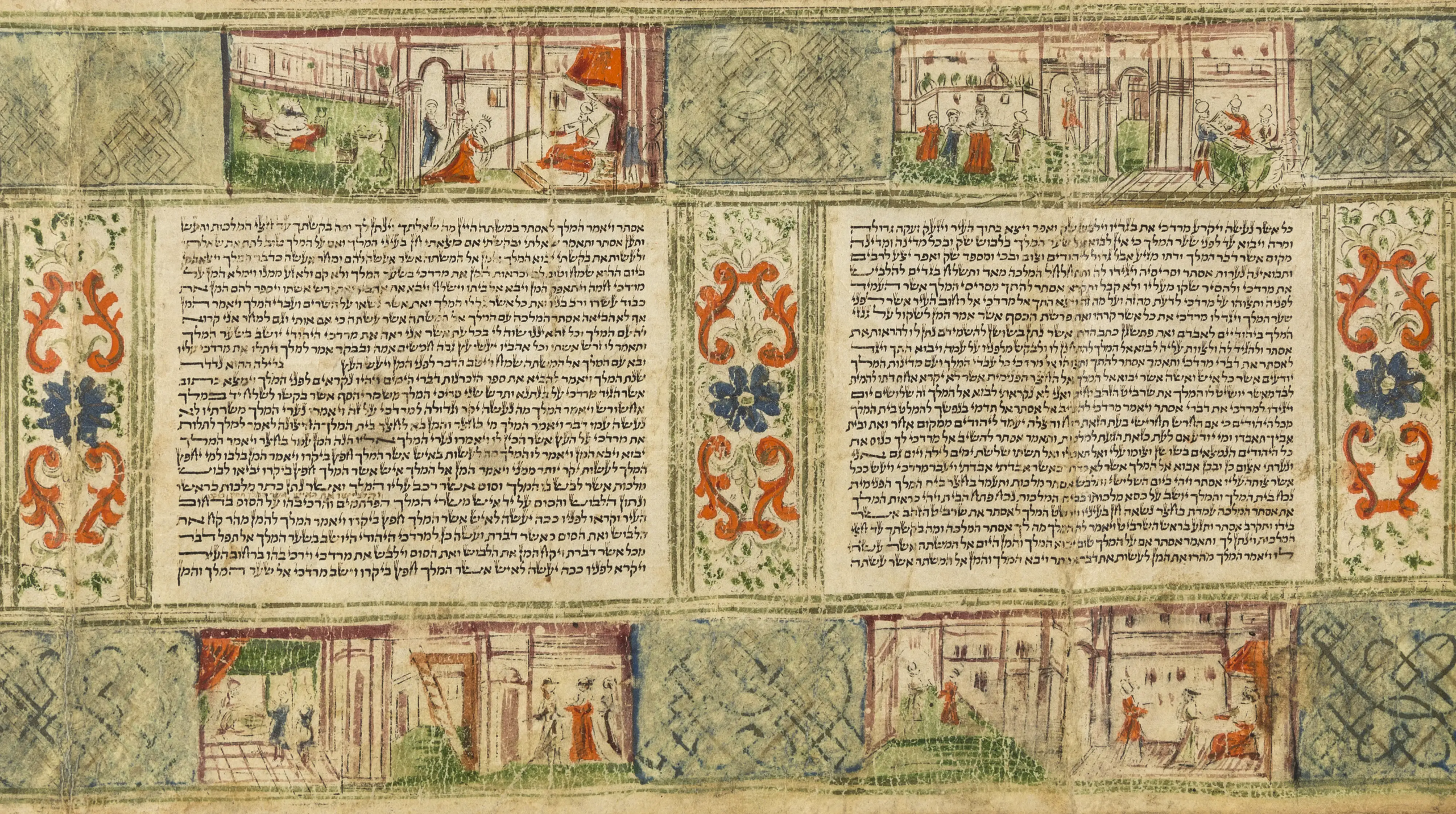
In Esther chapter nine, we see the edict issued by Mordecai carried out. Haman’s followers go out to plunder and kill the Jews, but instead the Jews are able to overcome and destroy their enemies across the nation. After all of this happens, many of the Jews gather together and hold a celebration in honor of their great victory.
Esther 9:16-19 (ESV) “Now the rest of the Jews who were in the king’s provinces also gathered to defend their lives, and got relief from their enemies and killed 75,000 of those who hated them, but they laid no hands on the plunder. This was on the thirteenth day of the month of Adar, and on the fourteenth day they rested and made that a day of feasting and gladness. But the Jews who were in Susa gathered on the thirteenth day and on the fourteenth, and rested on the fifteenth day, making that a day of feasting and gladness. Therefore the Jews of the villages, who live in the rural towns, hold the fourteenth day of the month of Adar as a day for gladness and feasting, as a holiday, and as a day on which they send gifts of food to one another.”
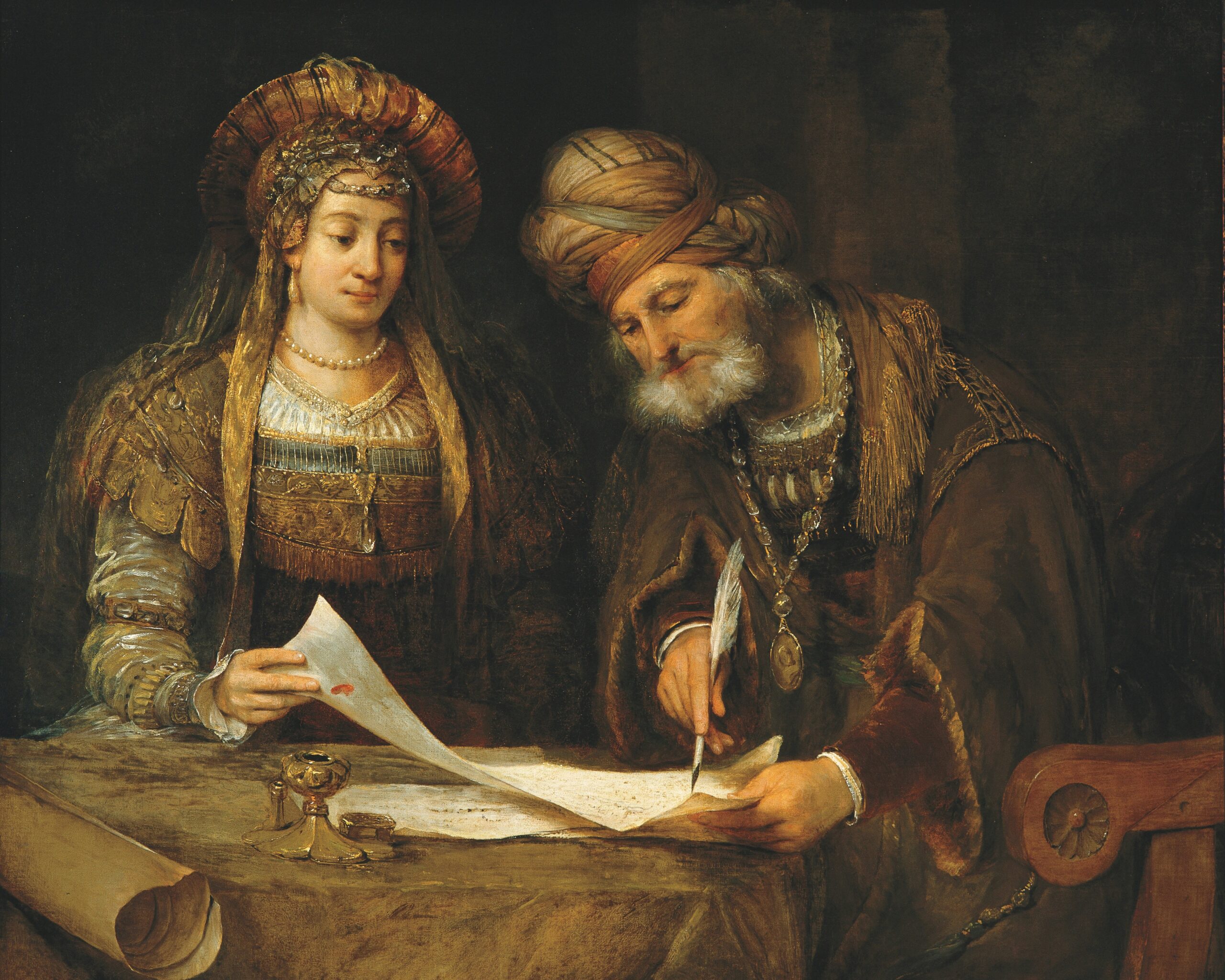
Mordecai and Esther take note of this celebration, and send a message to all the Jews across the nation, giving the people instructions on how and when to celebrate this day.
Esther 9:20-22 (ESV) “And Mordecai recorded these things and sent letters to all the Jews who were in all the provinces of King Ahasuerus, both near and far, obliging them to keep the fourteenth day of the month Adar and also the fifteenth day of the same, year by year, as the days on which the Jews got relief from their enemies, and as the month that had been turned for them from sorrow into gladness and from mourning into a holiday; that they should make them days of feasting and gladness, days for sending gifts of food to one another and gifts to the poor.”
In the rest of the chapter, the Jews decide to call this celebration Purim, and they adopt it as a yearly celebration in memory of their salvation, so that they would never forget what God had done for them. This feast would become one that Jews celebrated all the way into the time of Christ.
The parallel we can draw here should be clear. In the New Testament, we also have a memorial feast that celebrates the salvation we have received from God, which we observe every first day of the week. It is a feast which was delivered to us by the same hands that brought our salvation, and which is kept by everyone who receives that salvation.
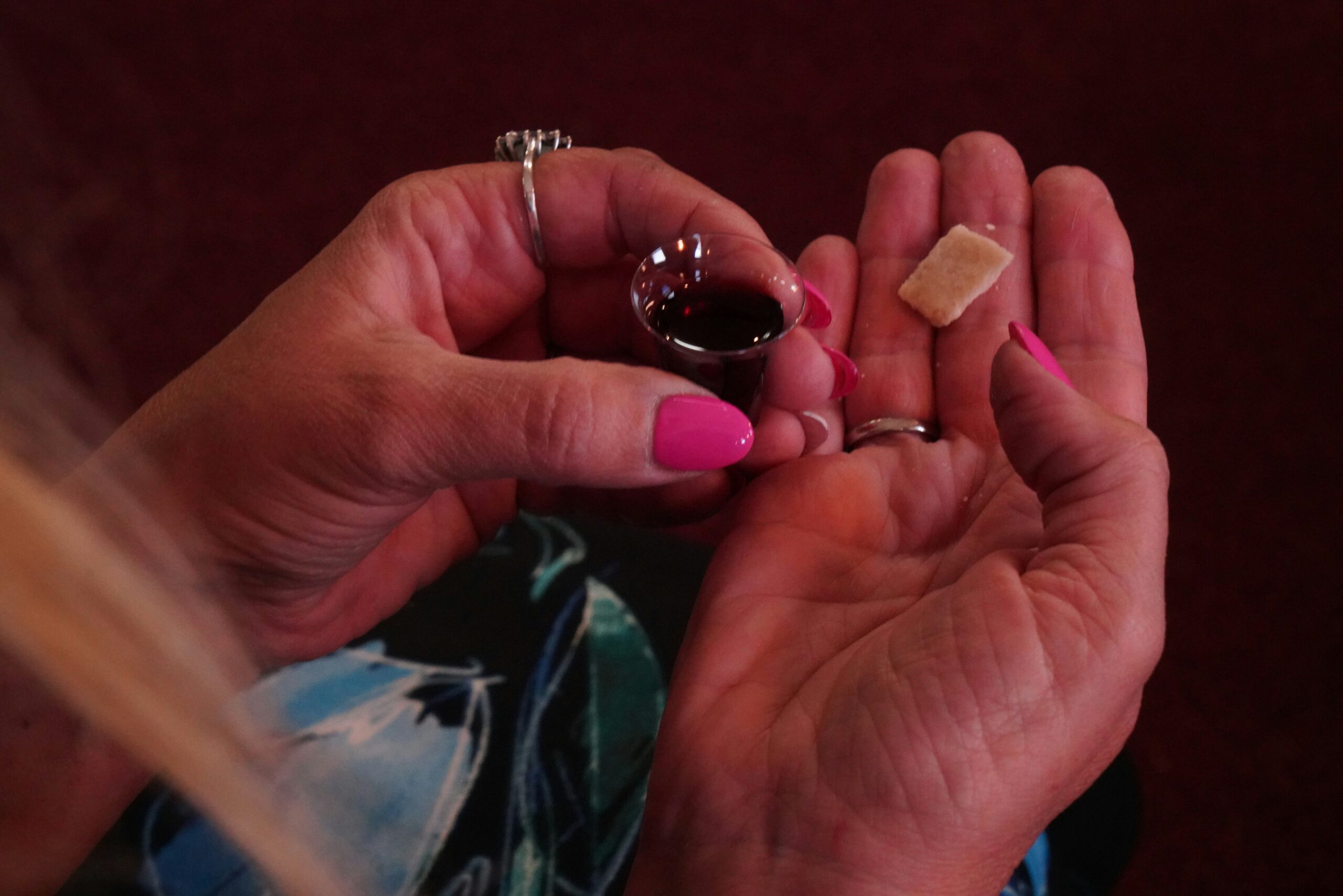
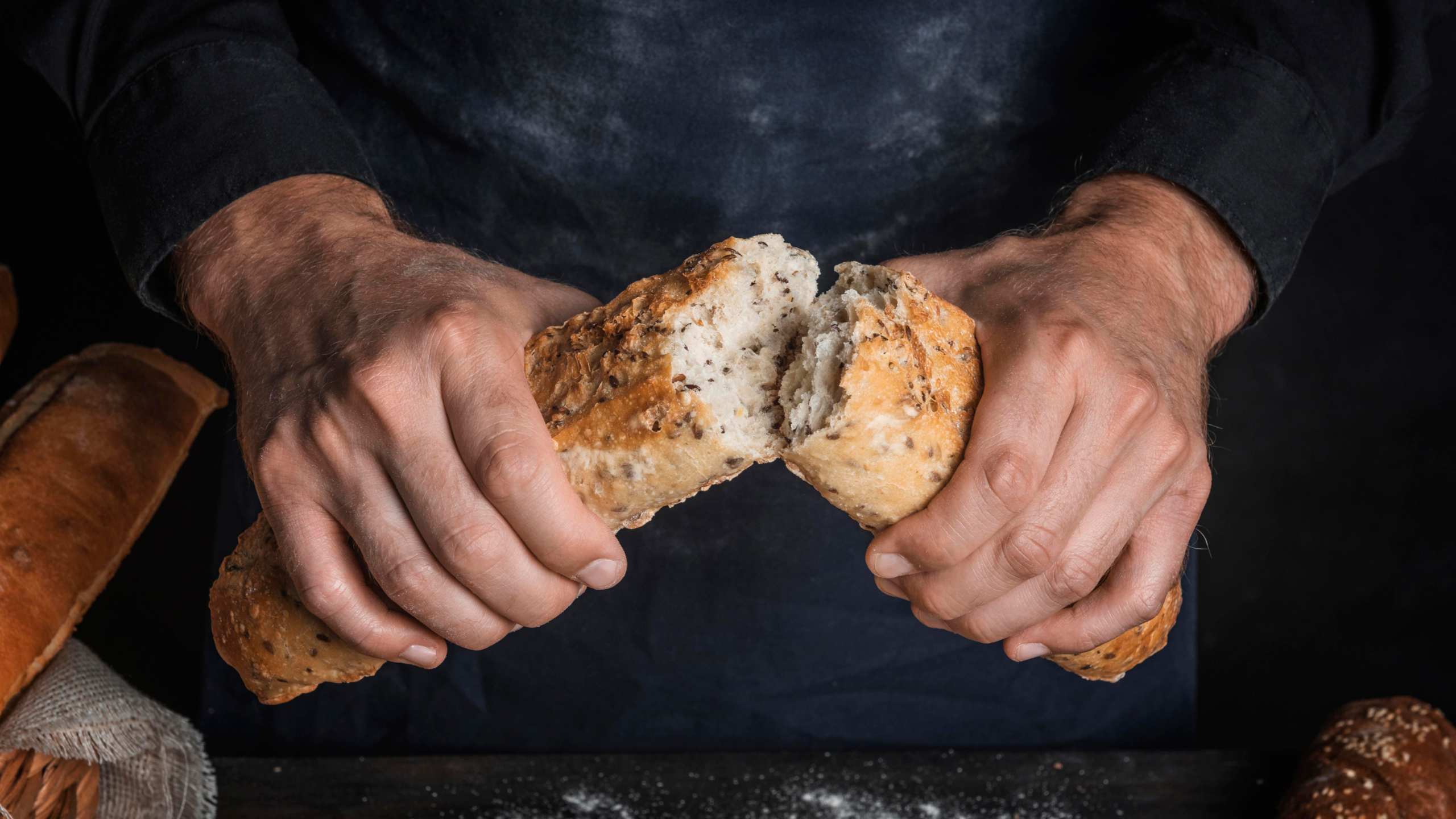
1 Corinthians 11:23-26 (ESV)“For I received from the Lord what I also delivered to you, that the Lord Jesus on the night when he was betrayed took bread, and when he had given thanks, he broke it, and said, ‘This is my body, which is for you. Do this in remembrance of me.’ In the same way also he took the cup, after supper, saying, ‘This cup is the new covenant in my blood. Do this, as often as you drink it, in remembrance of me.’ For as often as you eat this bread and drink the cup, you proclaim the Lord’s death until he comes.”
Like Purim, the Lord’s Supper reminds us of how we were once in mortal danger, and how it is through Christ that we were saved from that danger and brought closer to God. Like Purim, we are reminded of that covenant of salvation which our Savior brought for us, saving us from the edict of death. And like Purim, we take the Lord’s Supper on the day that our enemies intended to be our day of defeat, but which Christ’s resurrection turned into our day of victory.
John 16:20, 22 (ESV)“Truly, truly, I say to you, you will weep and lament, but the world will rejoice. You will be sorrowful, but your sorrow will turn into joy. (…) So also you have sorrow now, but I will see you again, and your hearts will rejoice, and no one will take your joy from you.”
Often we participate in the Lord’s Supper with an attitude of somber reverence, because of the seriousness of Christ’s death. There is nothing wrong with doing so; an attitude of reverent gratitude for Christ’s sacrifice is entirely appropriate. However, we should also remember that the Lord’s Supper is a time that should bring us great joy. It is the memorial of the day that was turned for us from sorrow into gladness, and from a day of mourning into a holy day. It is a reminder that through the death of Jesus we received relief from sin, and that through his resurrection the light and gladness and joy and honor of Christ has entered into our lives.